






Itching or red bumps after installing your dreads? Don't panic: usually it's harmless and goes away by itself. In this guide you'll read where it comes from and what you can do about it.
Allergic to synthetic dreads?
An allergy to synthetic dreads is very rare. When someone does react, it's usually not to the hair itself, but to a chemical coating that many manufacturers use on synthetic hair.
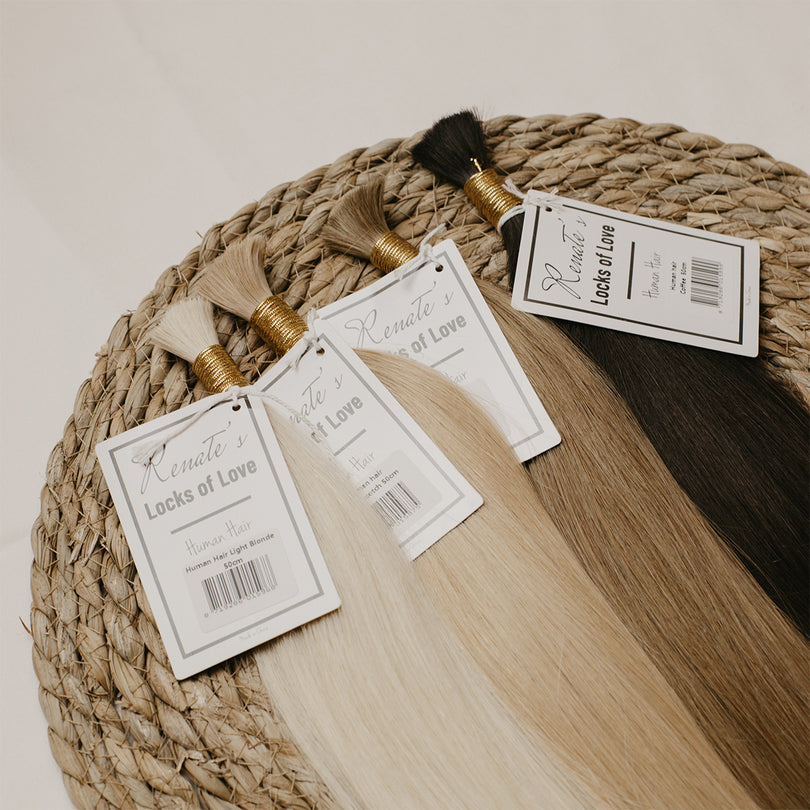
Locks of Love are made of Henlon Hair without a chemical coating. That makes the chance of a reaction very small, and you don't need to treat the dreads first.
Test it yourself: think you might be allergic? Wrap a dread around your wrist for a while, so your skin is in contact with it for a long time. If your skin doesn't react, you're not allergic.
Red bumps along your hairline or neck
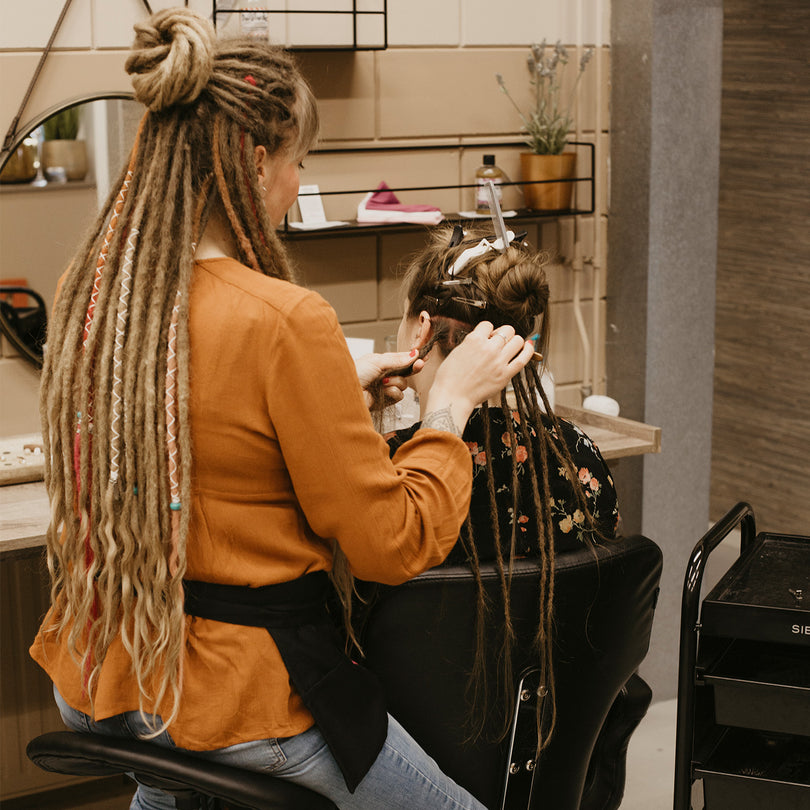
Getting some red bumps after the install, especially on your neck or at your temples? Those are usually tension bumps. Your scalp needs to get used to the braids, and the skin reacts to that in sensitive spots. That's normal and usually gone by itself after a few days.
Does it last longer, or does it bother you a lot?
- Massage a few drops of RAW ROOTs Dreadlock Hydrating Oil into the spots.
- Or use the RAW ROOTs Rescue Tonic, made especially for a dry, irritated or itchy scalp.
Important: don't have your dreads installed too tightly. That prevents a lot of irritation.
Itchy scalp

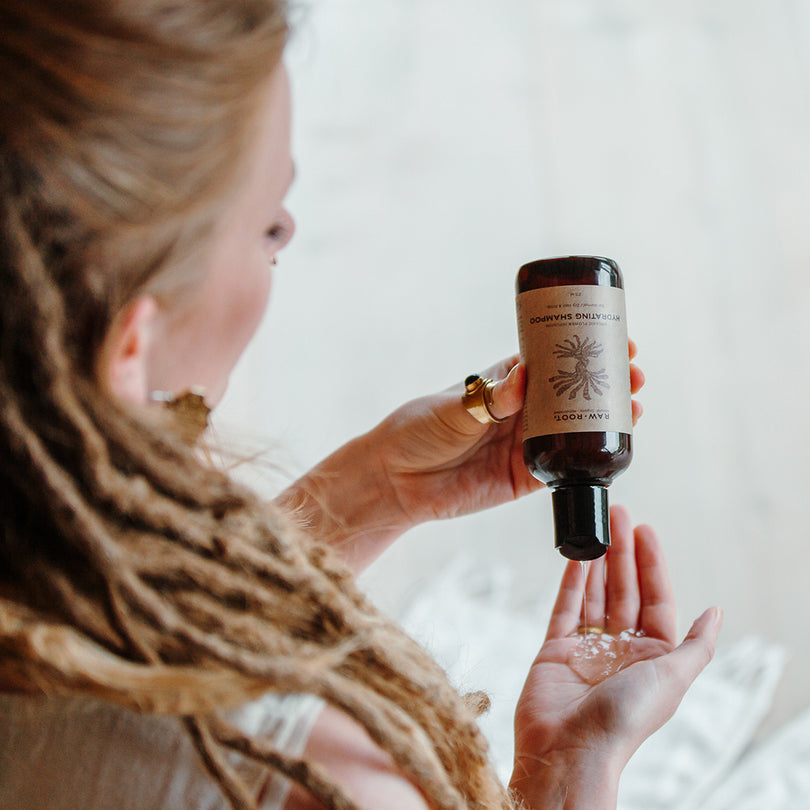
- Keep your scalp clean. Wash your dreads about once a week with the RAW ROOTs Hydrating Dreadlock Shampoo, mixed with water in the Sprayer. It soothes itching and rinses out easily. Read how to wash your dreadlock extensions.
- Rinse well. Shampoo that stays behind can actually cause itching.
- In between: the RAW ROOTs Refreshing Mist refreshes your scalp without getting your dreads wet.
- For a dry or itchy scalp: the RAW ROOTs Rescue Tonic.
Still in doubt?
Send a photo to orders@dreadshop.com, or visit our Salon. If a reaction persists, consult your doctor.
Dreadshop is not liable for an allergic reaction to any of our products.
-X- Renate