





Moisturize Without Overdoing It
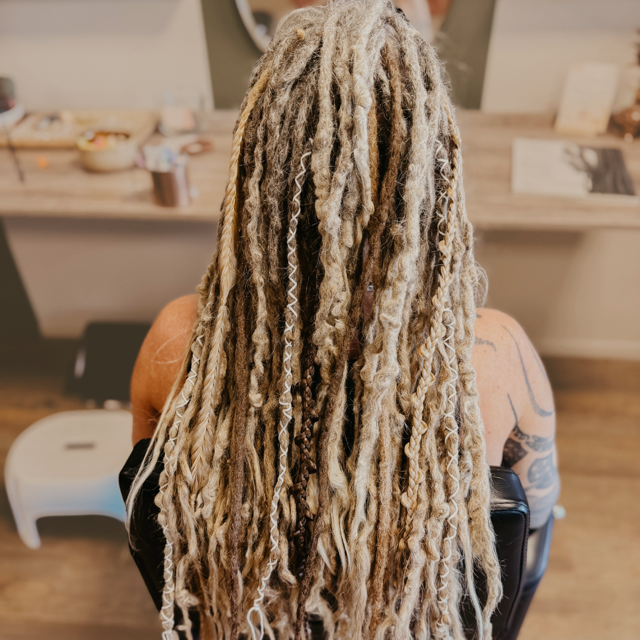
Dry hair is more likely to break or mat. Real dreads benefit from light sprays or oils to keep hair and scalp hydrated. Synthetic dreads don’t need moisture themselves, but the scalp does. Covering your dreads at night with a satin wrap or night cap helps retain moisture and prevents friction while you sleep.
Washing Your Dreads
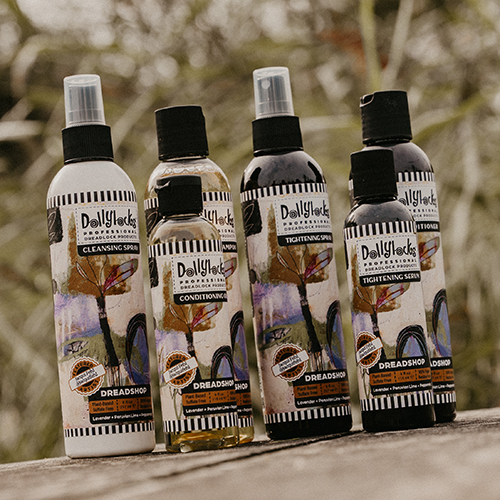
Even in winter, washing is important. For real & synthetic dreadlocks, focus on washing the scalp. Use a gentle, residue-free shampoo from Raw Roots or Dollylocks, and rinse thoroughly. Avoid scrubbing the dreads themselves; rinsing is enough to clean the hair as it flows down.
The synthetic fiber does not need shampooing, but rinsing gently if it gets dusty is fine. Dry your real or synthetic dreads carefully with a Large Microfiber Towel to prevent frizz and breakage.
Prevent Matting and Frizz
Cold, dry air can make dreads stick together or frizz. Gently separate them with your fingers if you notice them binding, working two at a time. Avoid pulling too hard. For dreads that are very tight or matted, it’s best to seek professional help. Trying to force them apart yourself can damage the structure of the dreads. You can read more in this blog on what happens when dreadlocks grow together.
Protect From the Elements
Wind, snow and indoor heating can all stress your dreads. Cover your hair with a soft scarf, beanie or hood to reduce friction and breakage. Satin or silk wraps, night caps and headbands are gentle on hair and help protect both real and synthetic dreadlocks.
Winter Styling Tips
- Braids or updos keep dreads neat and reduce tangling under scarves and jackets
- Half-up styles let your scalp breathe while protecting the ends
- Hats with satin lining reduce static and breakage
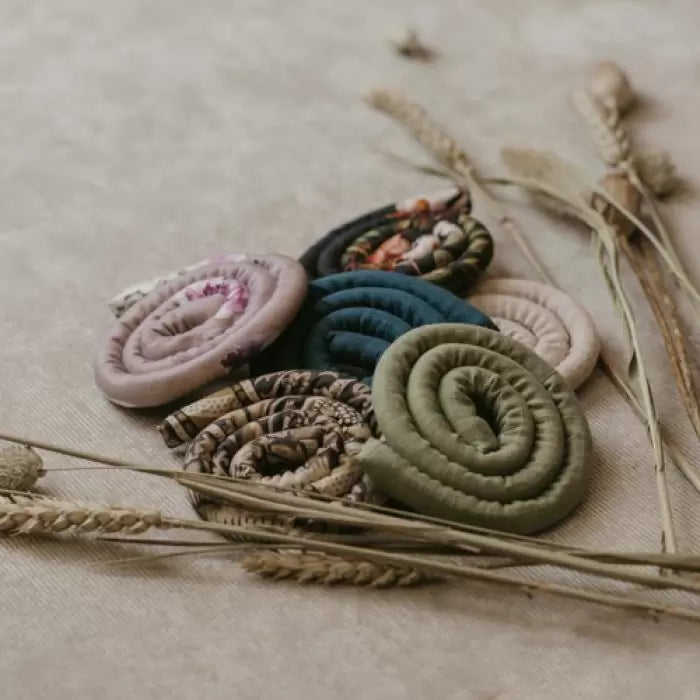
- Accessories like hair wraps or headbands add extra protection and style
When to Seek Professional Help
If your dreadlocks are extremely dry, brittle or starting to mat, a visit to a professional loctician is the safest option. Regular maintenance every few months keeps your dreads healthy and prevents long-term damage.
Final Tip
Winter doesn’t have to mean dry or damaged dreadlocks. With gentle care, proper washing of the scalp and roots, moisture where needed, and protective styling, your dreads can stay soft, strong, and beautiful all season.